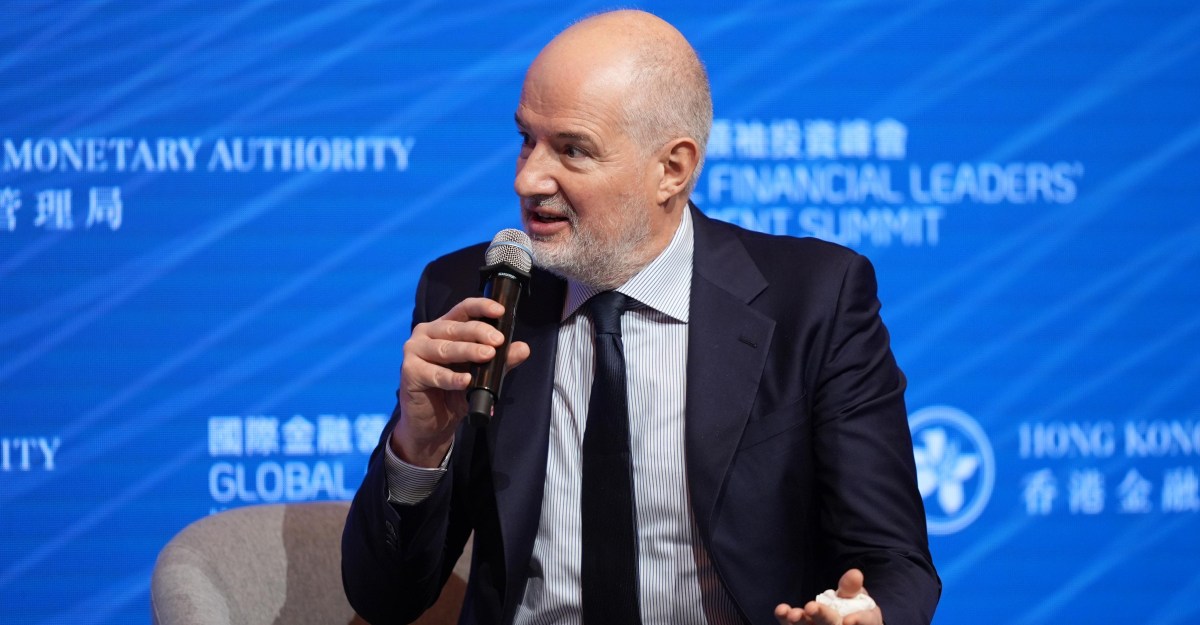
OpenAI has made a new claim in the ChatGPT search volume vs Google contest: ChatGPT queries that trigger a web search now amount to 20% of Google’s search-query volume. Adam Fry, OpenAI’s consumer product lead for ChatGPT, made the statement at a press event Monday, according to The Verge.
The number is notable mostly for its limits. It is OpenAI’s comparison, not an independently verified measure of search market share. Fry did not identify the source for Google’s query-volume figure or explain the calculation behind the ratio, The Verge reported.
Does ChatGPT’s 20% figure mean it has 20% of Google’s search market?
No. OpenAI is comparing the volume of a defined kind of ChatGPT activity with Google query volume, not reporting search-engine market share. Taken literally, the claimed ratio is about one ChatGPT web-search-triggering query for every five Google queries. It does not show that ChatGPT has matched Google on users, traffic, search quality, or overall search use.
The company’s definition also excludes much of what happens in a chat window. Fry said OpenAI counts a search when a user’s input results in a web search. Requests for a definition or a basic how-to explanation do not count under that measure, according to The Verge.
That distinction matters because the metric is not a count of all ChatGPT prompts. It is a count of prompts that cause the system to retrieve information from the web, under OpenAI’s own definition.
How ChatGPT search works
OpenAI introduced ChatGPT search in October 2024. The company said the feature can provide current answers with links to web sources. ChatGPT may decide to search based on a request, or the user can select web search manually.
OpenAI has also said the feature uses third-party search providers and material supplied directly by partners. That is a different setup from treating ChatGPT as a conventional, self-contained search index, another reason the company’s volume claim should not be stretched into a direct measurement of competitive parity.
ChatGPT search became available without sign-up in regions where ChatGPT is offered in February 2025, OpenAI said. Its answers include source links, with a Sources button intended to surface referenced material.
There is a historical comparison, though it measures something else. Microsoft CEO Satya Nadella said during Google’s 2023 antitrust trial that Bing had about 3% of search-engine market share after more than a decade. That figure cannot be directly matched against OpenAI’s web-search-triggered query ratio, but it illustrates why the two metrics should not be mashed together as if they answer the same question.
For now, the durable conclusion is narrower: OpenAI says ChatGPT search activity has reached one-fifth of Google’s query volume under OpenAI’s definition. Without the underlying Google data and comparison method, the claim remains the company’s own measurement.
This story draws on original reporting from The Verge.