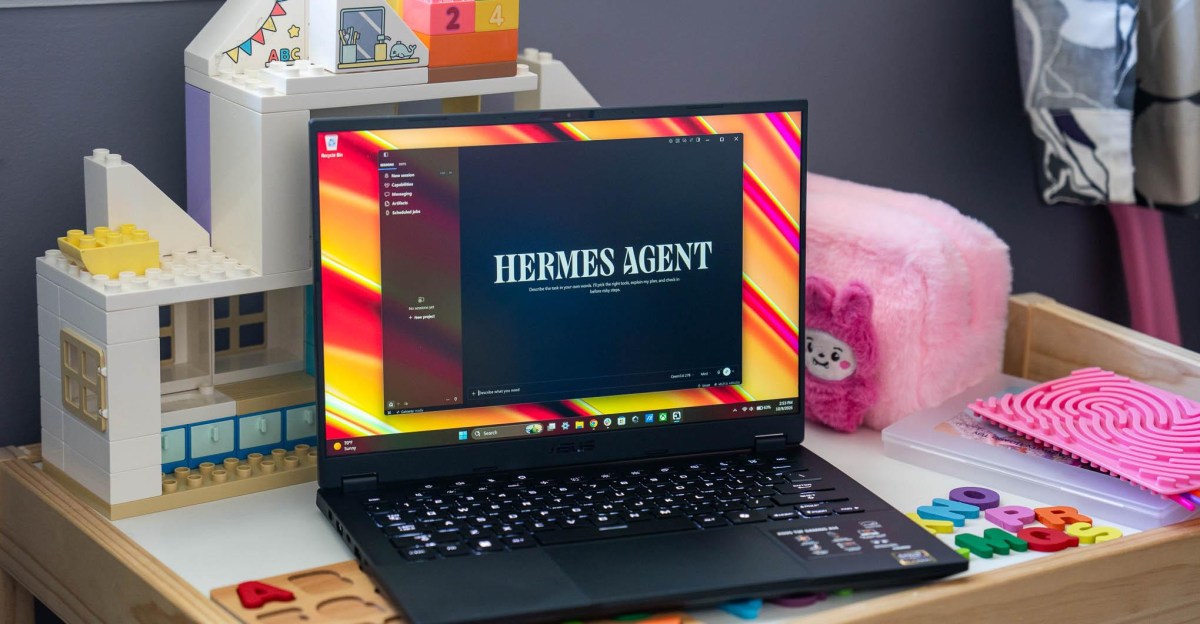
Antonio Di Benedetto's local AI experiment has begun as a public test of a question many product pitches glide past: whether running an AI model on a personal machine is useful enough to warrant the hardware expense and the effort of learning the tools. The Verge writer says he plans to document the process as he goes.
Di Benedetto said reluctance to hand his most personal information to cloud services has been a major reason he has not used AI regularly. His interest in local operation is the prospect of a tool that runs on hardware under his control rather than a service operated by companies such as OpenAI, Google, Microsoft or Anthropic.
That is an appeal, not a blanket privacy verdict. The experiment is about whether greater control over where a model runs makes local AI worthwhile for him.
What is the difference between local AI and cloud AI?
Local AI means the model runs on hardware the user controls, such as a personal computer. Cloud AI runs elsewhere and is reached through a website or application programming interface, according to a local-AI explainer from Greg Isenberg.
For Di Benedetto, the distinction changes the terms of the experiment. He is not presenting himself as an AI specialist, and he has not reached a conclusion about the technology. He describes the process so far as exciting, overwhelming and frustrating, then plans to report what he learns.
The central question is cost versus practical value. Di Benedetto is testing whether the work a local model can do will justify spending heavily on a computer or laptop with a large amount of RAM. The Verge report does not establish a particular hardware configuration or recommend a purchase. It records a prospective user's attempt to determine whether the investment makes sense.
He has also set boundaries for the exercise. Di Benedetto said he does not plan to use AI to write or edit for him, or to generate promotional fliers. That leaves room for other routine tasks, though he has not yet identified which jobs he will hand to a local model.
Hardware vendors have spotted the opening. Apple has promoted its newer Mac desktops as capable local-AI machines, according to The Verge. The report also points to an upcoming line of RTX Spark Windows systems, marketed for agentic AI and advertised with configurations offering up to 128GB of RAM.
Those marketing claims do not answer Di Benedetto's narrower question. His reporting project is starting from the user side: can someone concerned about sending personal material to cloud AI find enough use in a model running on their own machine to make the learning and spending worthwhile?
This story draws on original reporting from The Verge.