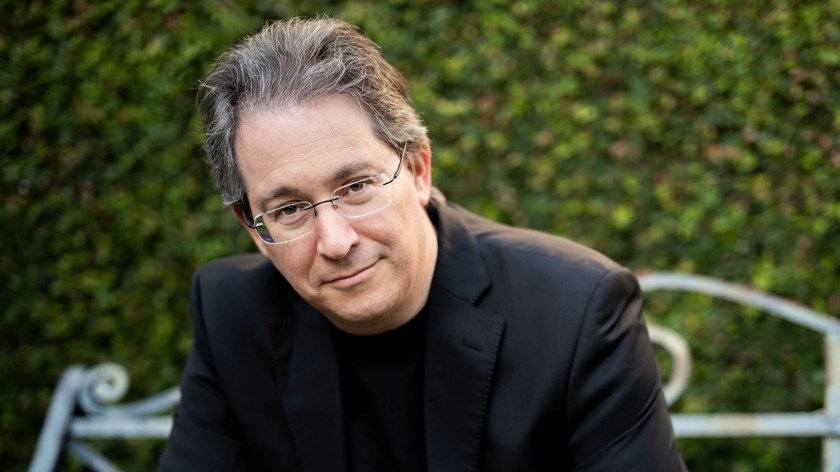
Google DeepMind CEO and cofounder Demis Hassabis is calling for a global AI oversight body with enough authority to delay or block the release of frontier models judged too risky.
In a post on LinkedIn, Hassabis said the United States should lead the effort, citing the country’s economic weight and technical position in AI. His proposal would put pre-release model review in the hands of an organization built around independent experts and representatives from open source communities, rather than leaving the decision entirely to the companies training and shipping the systems.
The model Hassabis pointed to is not a classic government agency. He compared the proposed organization to regulators such as the Financial Industry Regulatory Authority, the US self-regulatory body that oversees broker-dealers. That comparison matters: it suggests a watchdog with industry proximity, technical expertise and enforcement authority, rather than another advisory panel that publishes reports while labs keep pushing code.
According to Hassabis, the organization would assess frontier AI models before they are released. If a model crossed a danger threshold, the body would have the power to slow or stop deployment. The post does not provide, in the available description, a detailed test for what would count as “too dangerous,” which is the part of any AI safety regime where the policy usually gets messy and the lobbying usually gets loud.
The proposal lands in the middle of a basic governance fight over advanced AI: who gets to decide when a model is safe enough to ship. AI companies have argued for flexible rules that do not freeze research. Critics of voluntary safety commitments argue that self-policing works about as well as one would expect when the same firms are racing to release new systems.
Hassabis’ version tries to split that difference. It would keep technical review close to people who understand model development, including open source participants, while giving the watchdog actual authority over release decisions. That is a more concrete demand than another call for “responsible AI,” the phrase companies deploy when they want the room to nod and move on.
The open question is whether governments, AI labs and open source developers would accept a US-led body as a global referee. Hassabis says the US is best placed to set standards because of its technical and economic standing. Other countries may read that as leadership, or as Washington asking to write the rules for everyone else’s compute-heavy toys.
This story draws on original reporting from The Verge AI.