CXMT DDR5-8800 on AMD is now a reported result from Colorful, which says it ran its iGame Shadow II DDR5-6000 C34 kits at roughly 8,800 MT/s on the company’s iGame X870E Vulcan W OC motherboard. The demonstration puts DRAM from Chinese chipmaker CXMT into a frequency tier usually associated with enthusiast overclocking. It does not establish that retail CXMT kits match SK hynix across timings, voltage behavior, compatibility or repeatable application performance.
According to Tom’s Hardware, Colorful reported DDR5-8812 with a 32GB, 2x16GB kit and DDR5-8817 with a 48GB, 2x24GB kit. Wccftech likewise reported 8,800 MT/s for both configurations and said Colorful described them as stable in its own testing. The platform was AMD X870E, part of the AM5 ecosystem, not evidence that ordinary AM5 systems will reach the same setting.
For anyone mistaking RAM for disk space, computer memory is the temporary workspace used by running programs, rather than the SSD or hard drive that retains files after shutdown. Faster DDR5 settings raise the rate at which that memory can move data, although frequency alone does not settle overall performance.
Can CXMT DDR5 reach 8800 MT/s on AMD?
Colorful’s reported answer is yes, on its X870E board in a vendor-run overclocking demonstration. Wccftech’s description of a Colorful image lists a 4,406.0 MHz DRAM frequency alongside the 8,800 MT/s result. Those figures are not competing speeds: the former is the reported DRAM clock readout, while the latter is the reported DDR5 transfer-rate label.
The 2x16GB result is the more notable part of the claim. Tom’s Hardware says most retail kits rated at DDR5-8600 or faster use 24GB modules, often built with SK hynix 24Gb M-die chips. Colorful says its 16GB-per-module CXMT-based configuration crossed the same rough 8,800 MT/s threshold.
There is a sizeable asterisk attached. Tom’s Hardware says Colorful’s screenshots were too blurry to identify memory timings or DRAM voltage. Wccftech relayed Colorful’s stability claim but did not provide an independent test method. The available material therefore cannot show how the setup performs in games or applications, whether it can pass long-duration stress testing, or whether another retail kit can reproduce it.
Does this mean CXMT has caught up with SK hynix?
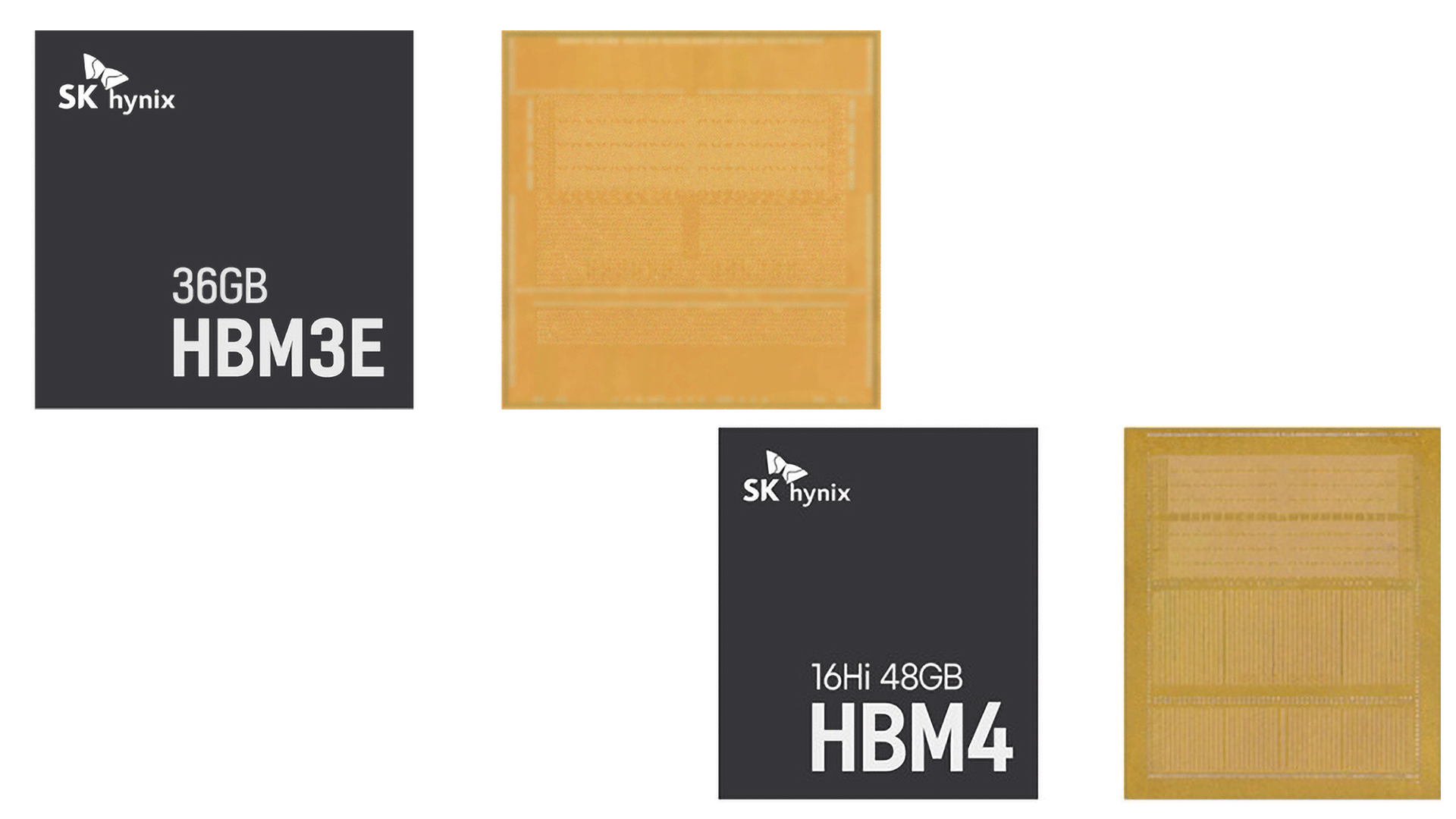
No broad conclusion follows from this one frequency result. Tom’s Hardware characterized the demonstration as keeping pace with SK hynix A-die and M-die in this overclocking context, but the reported result supplies no matched comparison of latency, power, consistency or manual tuning headroom.
The manufacturing details are also a reported distinction, not a performance verdict. Tom’s Hardware says CXMT uses a 16nm process based on deep-ultraviolet lithography for its DDR5 chips, while it describes SK hynix’s 24Gb M-die as a 1a-nm process using extreme-ultraviolet lithography. Neither detail explains the Colorful result on its own.
For shoppers, the practical reading is restrained: Colorful has reported an enthusiast-level CXMT-based DDR5 frequency on a specific AMD X870E setup. Until timings, voltage, methodology and independent reproductions appear, that is a promising demonstration, not a retail-performance guarantee.
This story draws on original reporting from Tom's Hardware.