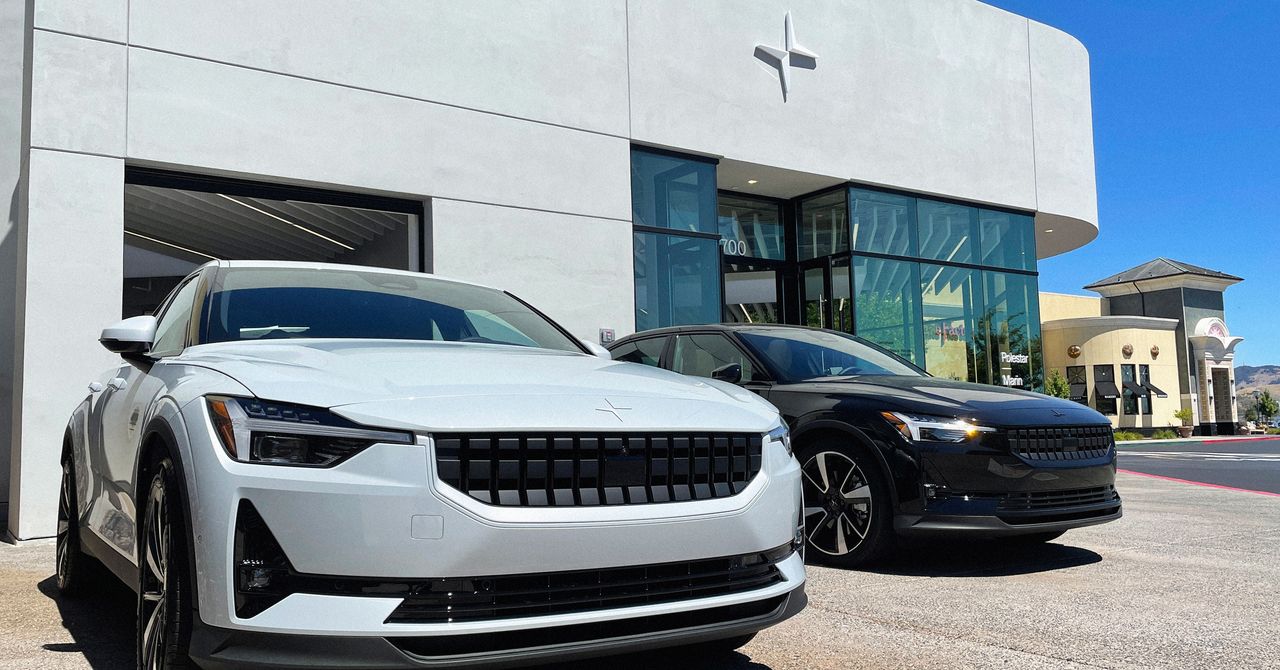
Polestar dealers in the US are preparing for a strange endgame: sell what is already on the lot, keep fixing cars for existing owners, and stop expecting new Polestars after the 2027 model year.
Polestar said in late June that the US Commerce Department denied an authorization the company needed to keep selling vehicles in the country under federal restrictions on connected-vehicle technology from China. The decision matters less as a Washington abstraction than as a very practical problem for customers and franchise operators who bought into a young electric brand that now says its US sales are going away.
Matthew Haiken, owner of Polestar Short Hills in northern New Jersey, told Wired that customers and staff have been contacting the dealership since the decision. Haiken also owns three non-Polestar dealerships in the Prestige Collection Auto Group. He said he and the owners of the other 31 US Polestar dealerships have put “many millions” into the business and described the Commerce Department decision as a shock.
Polestar is majority-owned by China’s Geely Holding and Geely founder Li Shufu. That corporate structure is now colliding with a US rule approved in January 2025 under the Biden administration. Commerce officials argued that Chinese- and Russian-made hardware and software in internet-connected cars could create national security risks because modern vehicles collect and transmit data from cameras, microphones, GPS systems, and other sensors.
Then-Commerce Secretary Gina Raimondo said at the time that a foreign adversary with access to such data could threaten national security and the privacy of US citizens. The Commerce Department did not respond to Wired’s questions about the Polestar decision.
Volvo got a pass, Polestar did not
The decision has an awkward comparison sitting next to it. Volvo, also majority-owned by Geely, received Commerce Department authorization in March to keep selling vehicles in the US despite its Chinese ownership ties. Volvo said then that it had held constructive talks with the department about governance, technology, and data security.
Polestar spokesperson Mike Ofiara said the company could not comment on how the law applies to other automakers. Haiken, however, put the blame on Polestar rather than the government, telling Wired he was frustrated with the company globally and believed it mishandled the process.
Polestar said last week that US dealers will keep selling existing inventory of the Polestar 3 and Polestar 4. The company also said its US service network will continue supporting customers. In the same statement, Polestar described the shift as a greater focus on Europe and said 94 percent of its first-quarter 2026 sales were outside the US.
Haiken disputed the usefulness of that figure, telling Wired that the Polestar 4 had been available in Europe since January 2024 but did not go on sale in the US until December 2025. That timing makes a US-versus-Europe sales comparison less clean than the press-release version suggests.
Owners still need parts and repairs
For Polestar owners, the immediate question is service. Some Polestar dealerships route repairs through Volvo service centers. Haiken said his stand-alone Polestar service operation will remain open because it has enough work to justify staying active. He said other dealers may make different decisions, with cars likely directed to the nearest available service center.
Polestar’s situation is different from Fisker’s collapse. Fisker filed for bankruptcy in 2024, leaving owners facing uncertainty over parts and repairs. Polestar still operates in other markets and, according to Wired, remains legally obligated to support the vehicles it has sold.
Haiken said the Chinese connected-tech issue does not currently worry him as a dealer. He told Wired he supports national security, while also wanting technology and product quality to compete on the merits. The federal government has now decided that, for Polestar’s next US model years, the connection to Chinese vehicle systems outweighs that argument.
This story draws on original reporting from WIRED.


