WIRED reviewer Simon Hill has tested a batch of home security devices aimed at people who want alerts without putting cameras inside the house. The trade is straightforward: lose the video evidence, and also lose the live feed, microphones and vendor access risks that come with many consumer cameras.
Hill framed the category around familiar camera problems: exposed video streams, microphones that can capture conversations, and companies sharing footage with law enforcement or other state surveillance systems. His tests focused on motion sensors, radar detectors, smart-light sensing and modular alarm gear that can report activity without recording images.
Radar for yards, cabinets for valuables
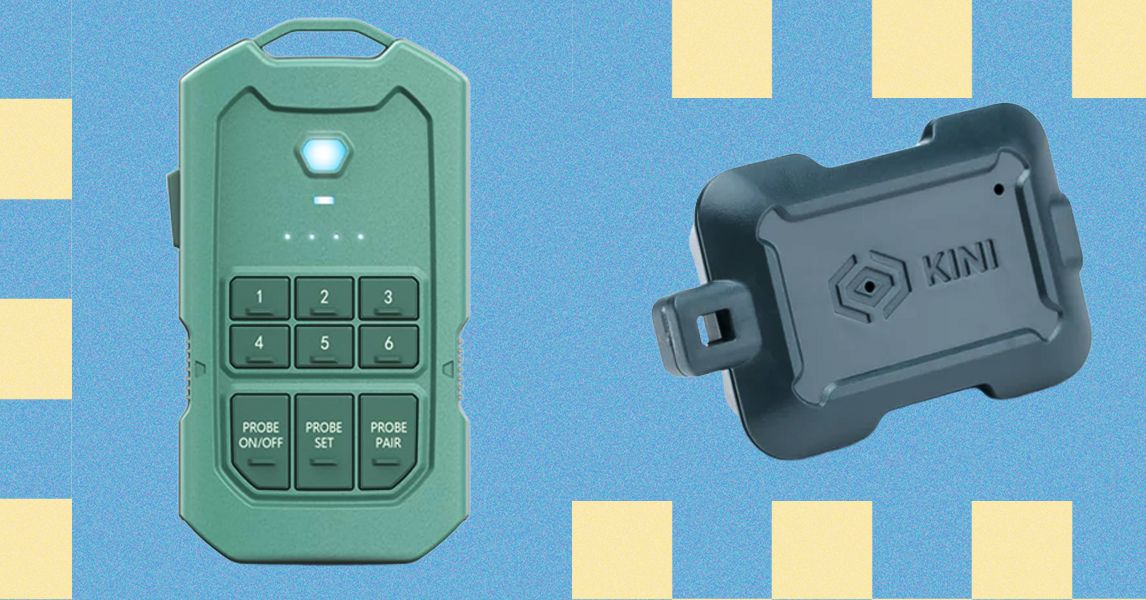
The Letwesaf Radar Motion Alarm System, listed at $220, is the most old-fashioned option in the test, in a good way. Hill reported that it needs no Wi-Fi and no app. A receiver pairs with a detector, then sounds an alarm when a person or animal enters the selected area.
According to Hill, the Letwesaf system can reach up to half a mile and supports as many as six detectors, although the package includes one. Extra detectors cost $120 each. The detectors are rated IP65 for weather resistance. Its default detection area is about 20 by 17 feet, and the range can be extended to 50 feet, though Hill found the manual’s setup process awkward.
In outdoor tests in a side passage and backyard, Hill said the radar unit picked up people and cats, while moving bushes did not set it off. The annoying bit is power: the 3,000-mAh rechargeable battery needed charging every five or six days. USB-C power banks work, and Hill suggested a small USB-C solar panel for permanent outdoor installs.
For smaller targets, Hill highlighted the Kinisium Kini SafeAlert Wi-Fi Motion Sensor, a $75 device for drawers, cabinets, cupboards or safes. It detects movement across the x, y and z axes, connects only to 2.4-GHz Wi-Fi, and can send alerts through an app, email or text message. It can also be configured through a browser, which is a mercy in a category too fond of mandatory apps.
Hill tested Kini in a drawer and a cabinet and said it alerted when they were opened. The device keeps a timestamped log. Kinisium says it does not collect data, while Hill noted that alerts still go through the cloud and logging can be disabled. A Stasis mode flips the logic, sending an alert when no movement occurs for a chosen period. Hill said that could help check whether someone opened a medicine cabinet or when a dog walker used a door. Kini also supports IFTTT and webhooks.
Smart-home sensors depend on the ecosystem tax
Hill also tested a set of motion and presence sensors whose usefulness depends on the smart-home hardware already in the house. He said the Eve Motion Sensor worked reliably indoors and outdoors, but alerts require a smart-home hub and automation setup. He tested it with Google Home.
- The Aqara FP2 Presence Sensor, priced at $83, supports zonal detection, multiple-person detection and major smart-home systems, though Hill said it was not consistently accurate when counting people.
- The Aqara FP300, priced at $50, also tracks light, temperature and humidity, and Hill described it as adequate for most presence-detection needs.
- The Switchbot Presence Sensor, priced at $30, was the cheapest device Hill tested, but alerts require a Switchbot hub and Hill found a delay between detection and notification.
For Philips Hue users, Hill said the $55 Outdoor Motion Sensor worked well in a backyard test with a Hue Bridge Pro, detecting people with few false positives. He configured it to turn on a backyard light strip after sunset and send notifications during selected overnight hours using Google Gemini. Hue also sells indoor motion and contact sensors, which Hill said can be configured for alerts.
Smart bulbs can do some of this work too. Wiz SpaceSense uses Wi-Fi signal changes to infer motion, and Hill said performance depends on bulb count and placement. He found lag when using it to turn lights on, but said it may still be useful for away-from-home security alerts and does not require a subscription.
Philips Hue MotionAware does a similar job over Zigbee. Hill reported that it can trigger lights at no extra cost, but motion alerts require either $1 per month, $10 per year, or a Hue Secure plan starting at $4 per month. That is the smart-home business model in miniature: the sensor sees motion, and the bill sees you.
For people who want a broader system, Hill pointed to modular security kits from SimpliSafe, ADT, Vivint, Eufy and Arlo. WIRED says its product selections are independent, while disclosing that it may earn compensation from retailer links or purchases.
This story draws on original reporting from WIRED.