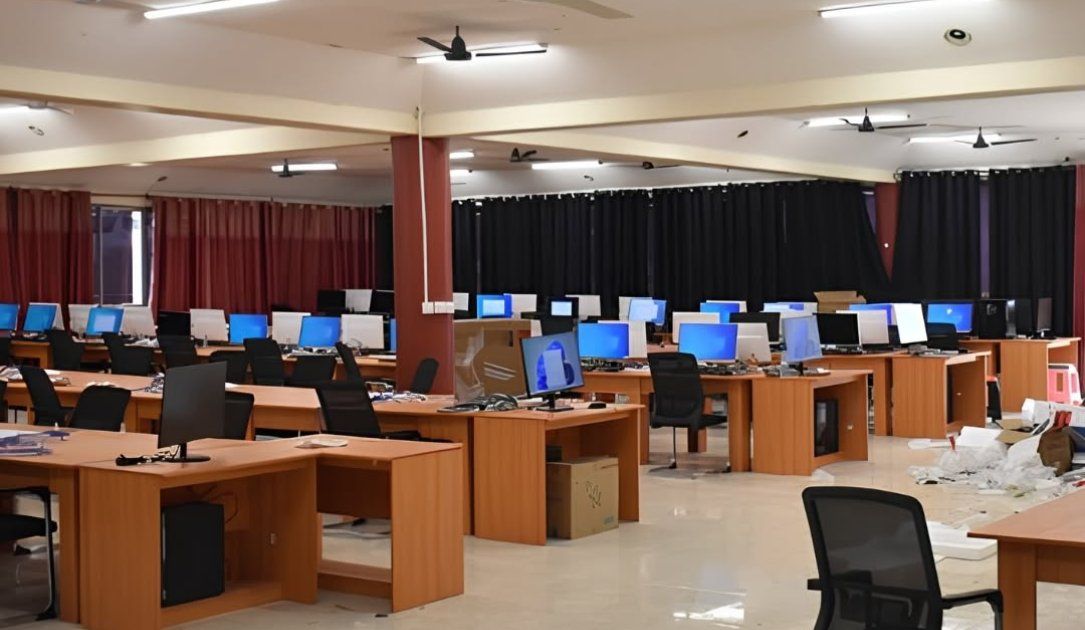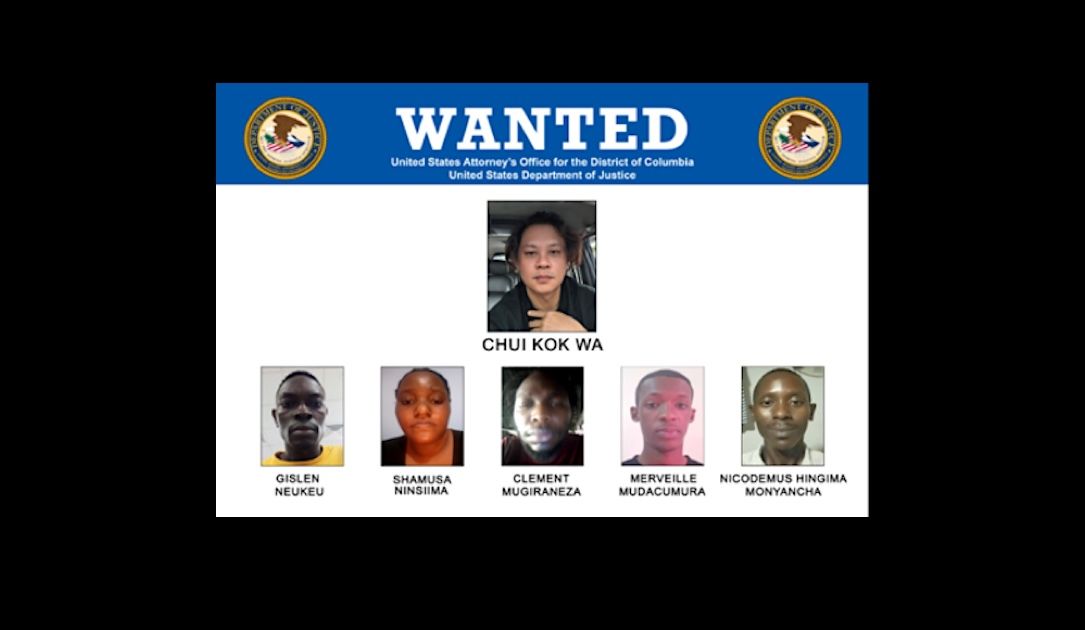
The Madagascar NFT scam indictment names Malaysian national Chui Kok Wa and five alleged accomplices in a scheme that U.S. prosecutors say took more than $516,695 from 74 cryptocurrency wallets tied to victims across several states. The defendants have been charged, not convicted, and their locations were unclear when the case was reported.
According to reporting by The Record based on the indictment, Wa allegedly led an operation from Antananarivo that used dating-site personas to steer victims toward fraudulent nonfungible-token investment websites. Prosecutors say workers persuaded victims to connect crypto wallets to those sites, then pressed them to add funds while money was removed from the wallets.
The five co-defendants are Gislen Neukeu, Shamusa Ninsiima, Clement Mugiraneza, Merveille Mudacumura and Nicodemus Monyancha. The indictment alleges Wa coordinated and funded the operation with accomplices in China.
How did the alleged Madagascar NFT scam work?
The alleged fraud depended on victims giving a website access to their cryptocurrency wallets. Workers posing as women used scripts and images supplied by Wa, prosecutors allege, then directed targets from dating platforms to sites marketed as NFT investments. Funds allegedly passed through wallets controlled by Wa, including accounts on Binance, before being transferred to accounts held by people in China.
Contracts recovered from Wa allegedly showed workers received $900 a month plus a percentage of funds taken from victims. The workers reportedly operated overnight in Madagascar to align with daytime hours in the United States. The Justice Department also took down several of the websites, while Chainalysis and Tether assisted investigators in tracing funds, The Record reported.
Investigation ran into limits in Madagascar
An FBI unit traveled to Madagascar in August and accessed more than 3,000 devices, according to the report. U.S. officers and the Madagascar National Police visited 13 compounds, and investigators linked reports from U.S. victims to scam activity in Antananarivo.
But the inquiry ran into an international-law-enforcement problem with no tidy ending. The Justice Department said Madagascar repatriated numerous suspects to China before the investigation was finished. The FBI was not allowed to interview alleged leaders who were later repatriated or released, according to the indictment as reported by The Record. U.S. authorities sought Madagascar's cooperation and the extradition of all six defendants.
The investigation also left unresolved questions about workers at the compounds. Fifteen employees said Wa trafficked and abused them, and U.S. authorities obtained a material-witness warrant to interview them, according to the report. Investigators also found employment contracts and payment records for some jailed people, evidence the FBI said differed from cases involving people forced into scam work. That evidence does not settle the status of any individual worker.
The indictment alleges the operation shifted from Cambodia after law-enforcement action there. Three Brazilian nationals told FBI agents they had answered online job advertisements, ended up in Cambodian compounds and were moved to Antananarivo in May 2026 amid the Cambodia-Thailand war, The Record reported.
This story draws on original reporting from The Record.