A Microsoft Surface Laptop Ultra 128GB review starts with the price gap: Microsoft lists the entry model at $2,599.99, while Gizmodo’s 128GB-memory review configuration, with 1TB of storage and a 20-core processor, cost nearly $6,000. That is a capacity purchase for people who know they need it, not a sensible default upgrade for anyone who wants a nice Windows laptop.
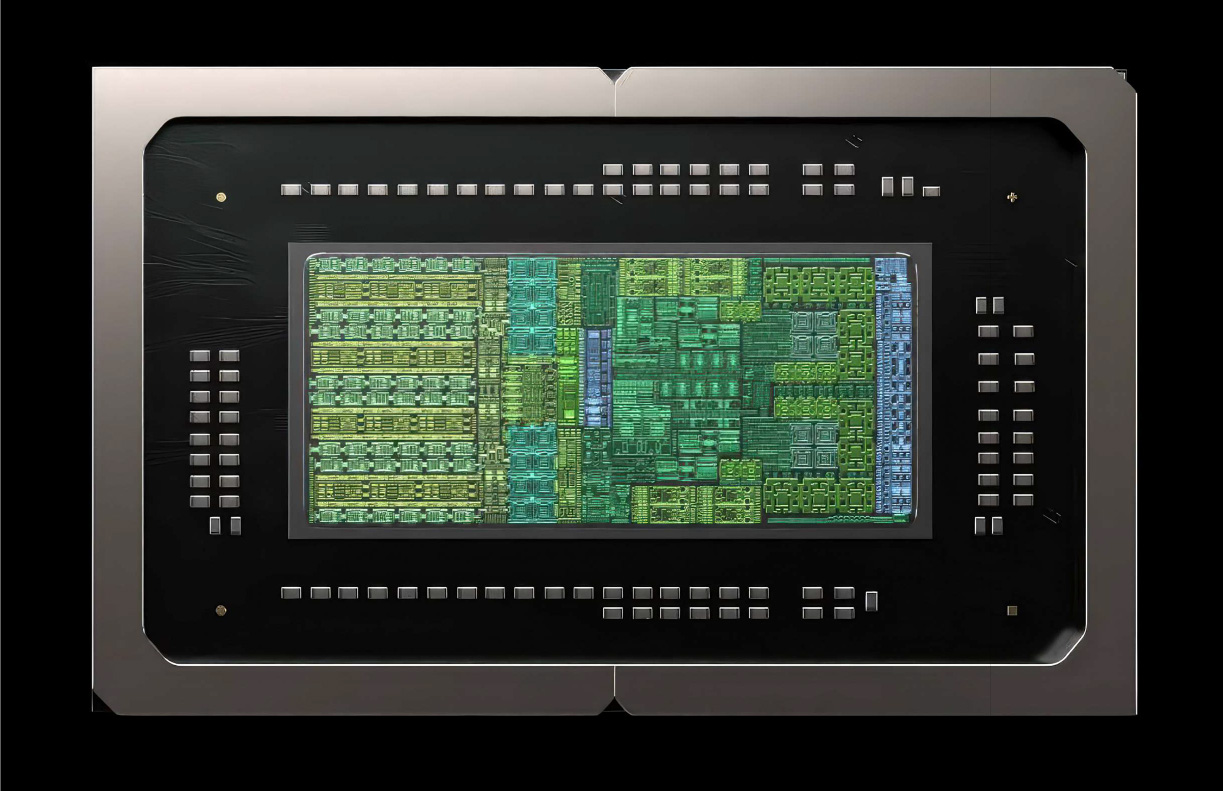
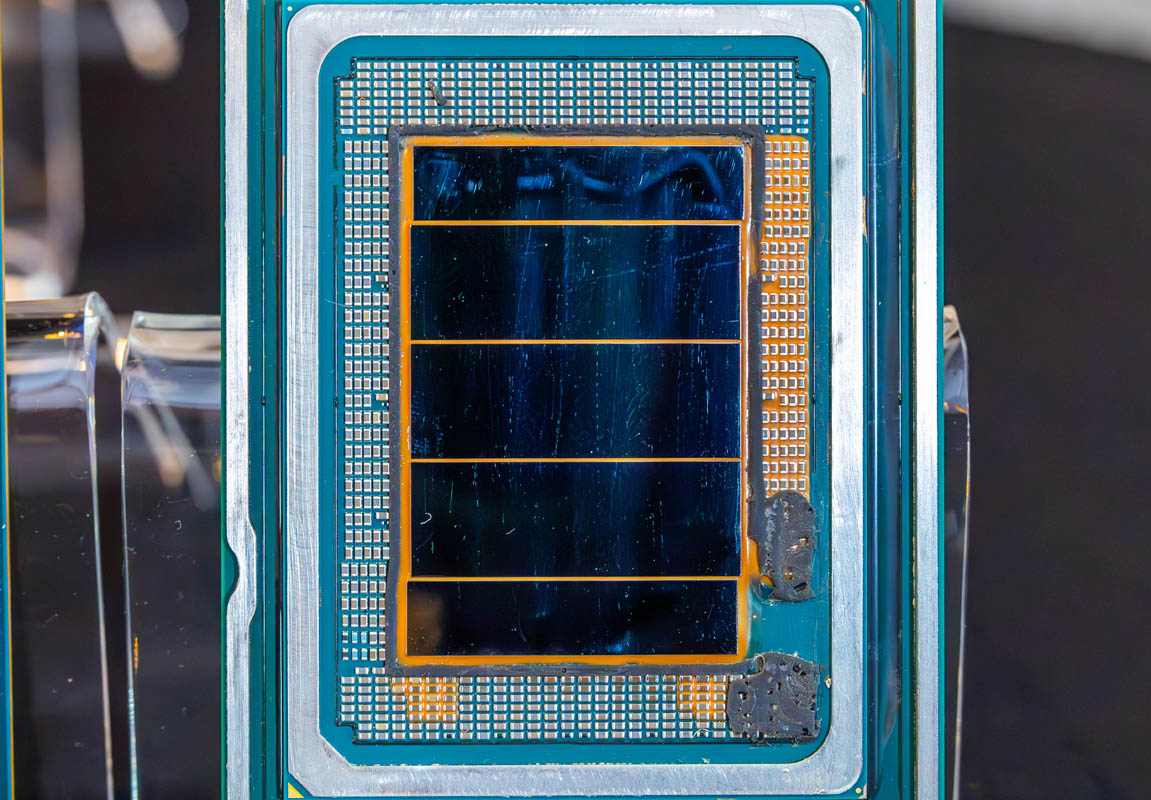
The base machine has 24GB of unified memory and lower-tier CPU and GPU options, Gizmodo reports. Microsoft says the Nvidia RTX Spark platform can be configured with up to 128GB of unified memory and run local-agent workflows with models of up to 120 billion parameters. Those are manufacturer capability claims, not a guarantee that a particular model or workflow will run well.
Who should buy the 128GB Surface Laptop Ultra?
The top configuration is aimed at developers and technically capable users who intend to run substantial AI models or agents on the machine. The Verge found that getting the most from its top-end review system required coding experience or patience for experimenting with models and agents. For ordinary productivity, creative work, or gaming, the available evidence does not establish that 128GB is necessary, let alone worth a near-$6,000 configuration.
Running AI locally means model processing happens on the laptop rather than being sent to a remote cloud service. More unified memory can let a system hold larger models and other active tasks in the same memory pool. It does not remove the work of installing, configuring, and debugging that software.
What does Microsoft’s high-end laptop get right?
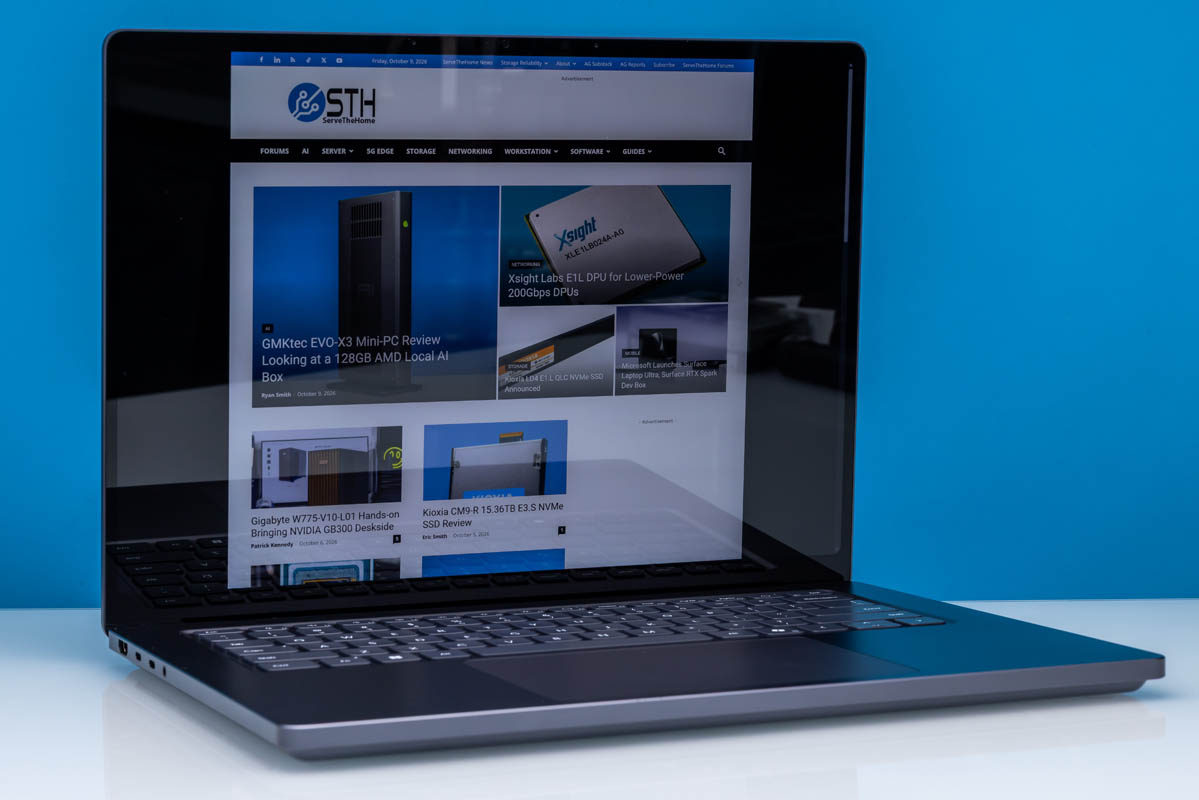
The physical machine has received unusually consistent praise. WIRED, The Verge, and Gizmodo each highlighted its aluminum construction, large haptic trackpad and magnetic USB-C charging. The 15-inch 3:2 touchscreen uses Mini-LED lighting and runs at up to 120Hz. In its testing, WIRED measured 987 nits in SDR and 1,945 nits in HDR using a 9% window, while also finding the glossy screen highly reflective.
The port selection is refreshingly un-compromised: three USB-C ports, USB-A, HDMI, a full-size SD card reader and a headphone jack. The USB-C port on the right supports Microsoft’s Magnetic Connect charging cable but otherwise functions as a normal USB-C port, according to The Verge. Microsoft describes the feature and its local-AI specifications on its Surface Laptop Ultra product page.
Portability is less clear-cut. Microsoft markets the computer as under 4.5 pounds and under 18mm thick. Gizmodo described its unit as 4.5 pounds and 18mm, calling it dense and heavier and thicker than the Apple laptops it compared. WIRED put its review unit at 4.4 pounds, lighter than a 16-inch MacBook Pro but slightly thicker.
What are the Windows-on-Arm compromises?
The RTX Spark system uses Arm-based hardware, and that still brings software friction. Gizmodo reported that some applications and games must use x86-to-Arm emulation, with longer load times even after the first launch. The Verge cited software bugs affecting sound and display behavior, described local AI as beta-like, and found CPU performance underwhelming. WIRED also flagged unsupported popular games.
Battery impressions diverge. WIRED said it could not match MacBook Pro battery life, while Gizmodo said it delivered a workday and performed strongly away from the charger. Neither excerpt provides comparable standardized runtime figures, so that dispute remains unresolved.
The 128GB Surface Laptop Ultra is a credible option when local-model capacity is a defined requirement and experimentation is part of the job. Everyone else should treat the polished display, I/O and construction as reasons to inspect less expensive configurations or competing laptops, rather than as proof that this particular memory tier earns its premium.
This story draws on original reporting from ServeTheHome.