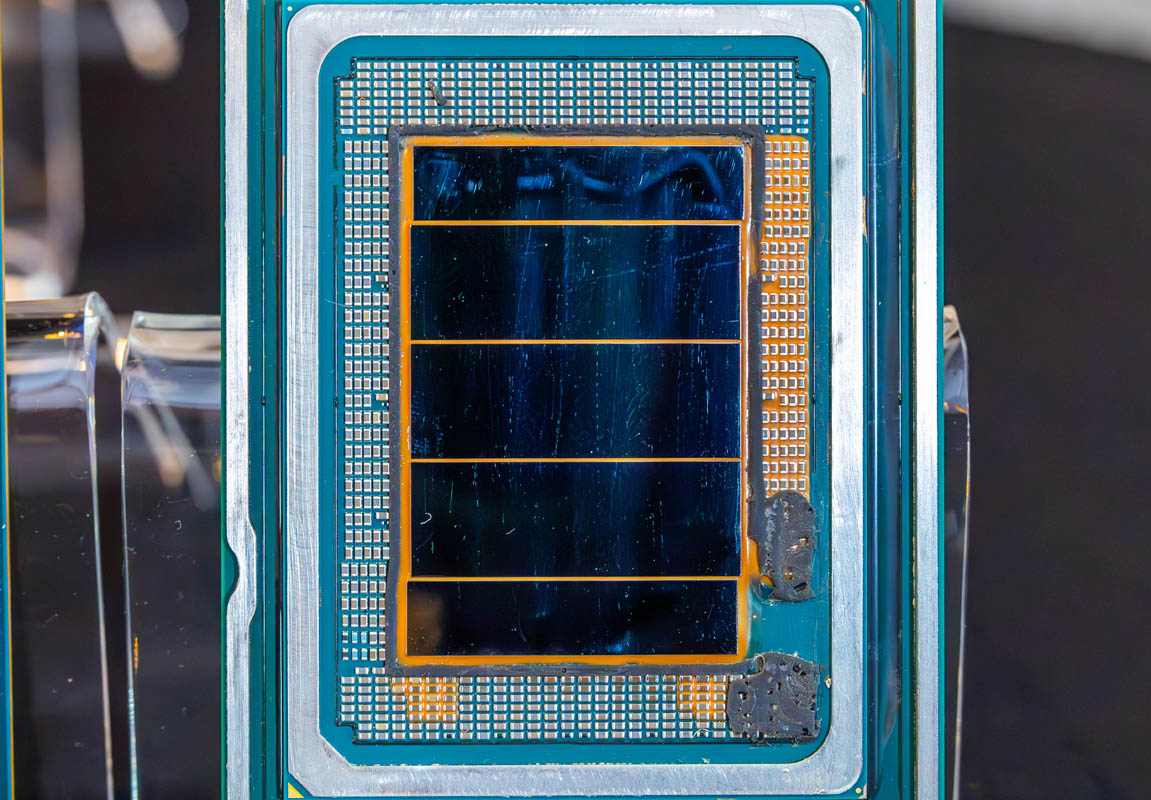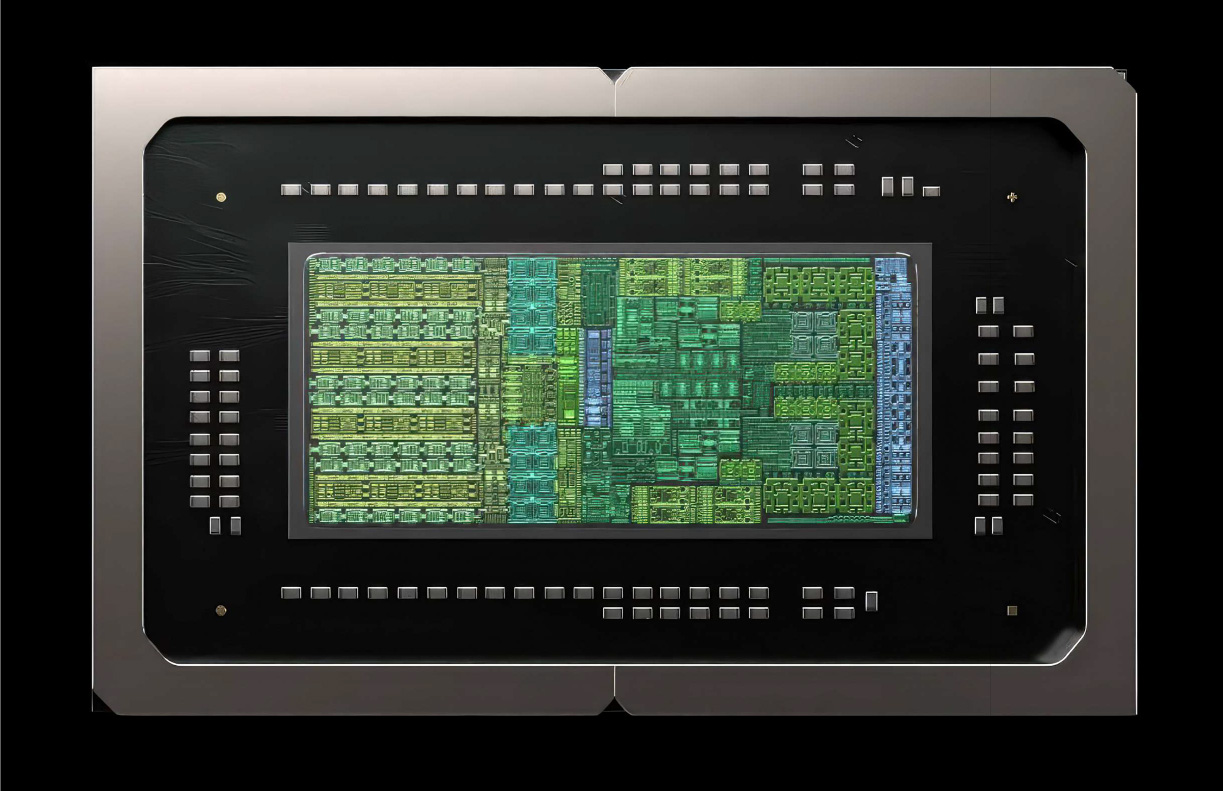
Nvidia and Microsoft have unveiled the Nvidia RTX Spark N1X platform for Windows on Arm PCs, combining an Arm CPU, Nvidia graphics and a shared memory pool in one package. Nvidia is pitching the chip for locally run AI agents, creative software and games, while early independent testing suggests the first systems carry premium prices and some familiar Windows-on-Arm baggage.
Nvidia announced RTX Spark on May 31, 2026. The company calls it a superchip, but the useful description is an integrated system-on-chip: CPU, GPU and related resources are brought together rather than pairing a conventional processor with a separate graphics card and its own VRAM.
What is Nvidia RTX Spark N1X?
The top configuration described by Nvidia links a 20-core Grace CPU to a Blackwell RTX GPU with 6,144 CUDA cores and fifth-generation Tensor Cores. Nvidia says NVLink-C2C connects the two. MediaTek collaborated on the CPU design, according to Nvidia.
The platform supports up to 128GB of unified memory, meaning the CPU and GPU draw from the same memory allocation. That differs from the usual PC split between system RAM and GPU memory, and can leave more of the machine’s available memory accessible to graphics and AI workloads. Nvidia rates the top configuration at up to one petaflop of AI compute. Those are vendor specifications, not independent performance results.
HotHardware reported that Nvidia also has an 18-core version with 5,120 CUDA cores. Its October 15 review tested the higher-end configuration in a Microsoft Surface Laptop Ultra.
How do Nvidia and Microsoft plan to run AI agents on Windows?
Nvidia and Microsoft say they are building Windows support for on-device agents, software that can act across applications or work with local files. Their stated approach includes Windows security primitives for identity, containment, policy and end-to-end security, plus Nvidia’s OpenShell runtime.
According to Nvidia, OpenShell will let users set boundaries for agents, choose when queries should use local models based on privacy rules, and mask personal information in requests sent to cloud models. Those mechanisms are meant to put controls around software that may otherwise have broad access to a person’s applications and data. Nvidia said future RTX Spark Windows agent features would also be reachable from the taskbar.
Nvidia also claims the platform can handle 120-billion-parameter language models with up to one million tokens of context, 12K 4:2:2 video editing, 90GB 3D scenes and AAA games at 1440p above 100 frames per second. The supplied evidence does not establish those results through independent testing, so they remain Nvidia’s claims.
What did early RTX Spark testing find?
HotHardware’s early review credited the platform with strong GPU and AI results, strong multithreaded CPU performance and decent battery life. It also identified weaker single-thread CPU scores, some anti-cheat incompatibility and a price premium. The review listed systems as starting at $2,599.
Nvidia said slim laptops and compact desktops based on RTX Spark would be available in fall 2026 from Asus, Dell, HP, Lenovo, Microsoft Surface and MSI, with Acer and Gigabyte to follow. That was an announced availability plan. HotHardware said premium laptops were due that week and mini desktops would arrive later.
This story draws on original reporting from ServeTheHome.